
Salesforce just launched 7 job-ready AI agents — Piper, Casey, Hunter and more. Which digital hires fit mid-market B2B, and what to check before you commit.

Salesforce Winter '27 hits production Oct 3 and 10, 2026. The release updates, admin wins, and Flow upgrades mid-market B2B teams should act on now.

Salesforce and Anthropic just announced Claudeforce. What was actually announced, what's still unknown, and how mid-market B2B teams should prepare now.
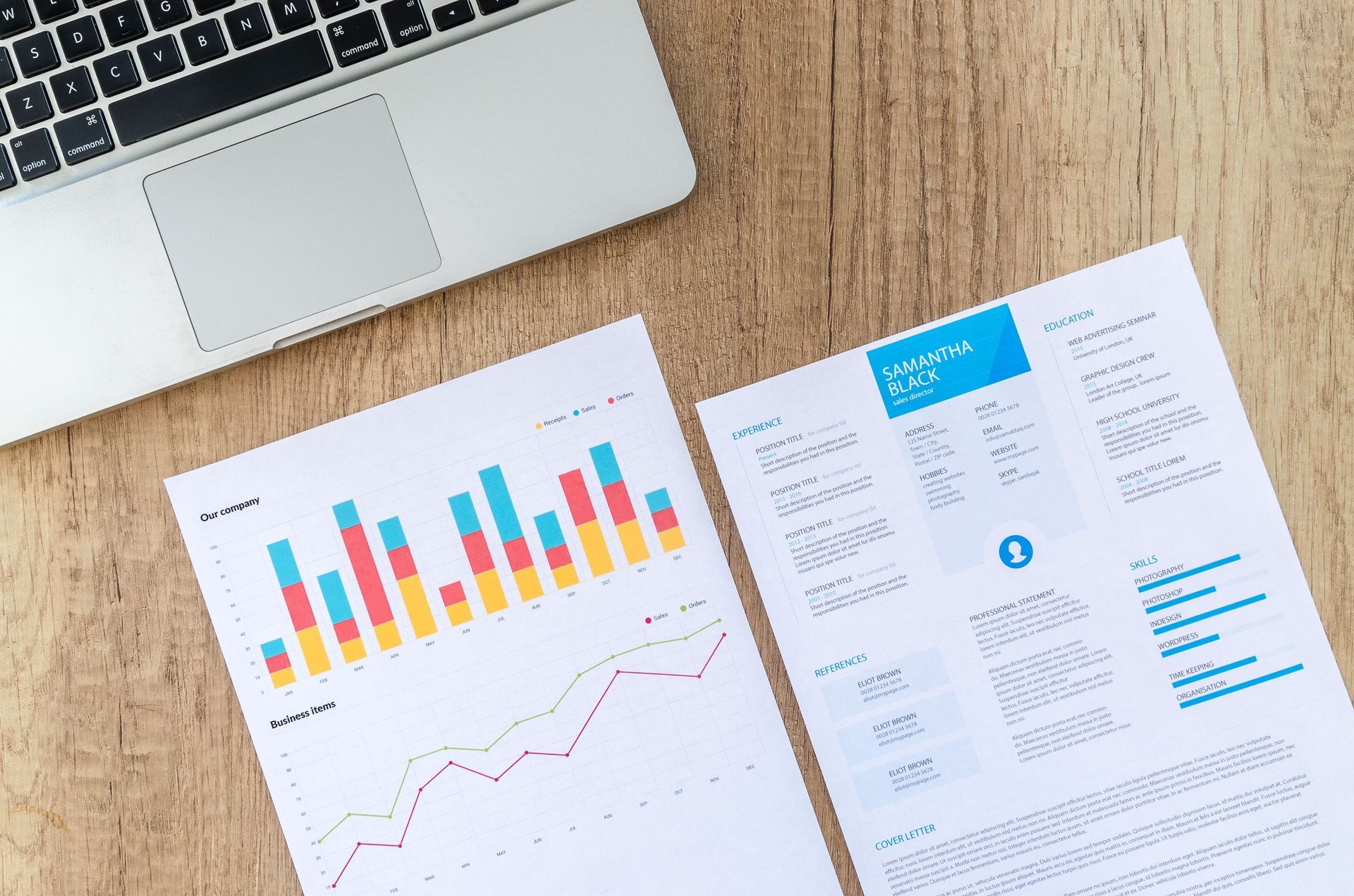
A new survey says 0% of Salesforce partners see Agentforce driving bookings — while ARR tops $1.2B. How mid-market B2B teams close the Agentforce ROI gap.

Dreamforce 2026 hits Sept 15–17 with 'The Agentic Enterprise' theme. What mid-market B2B teams should watch, ask, and do — no conference pass required.
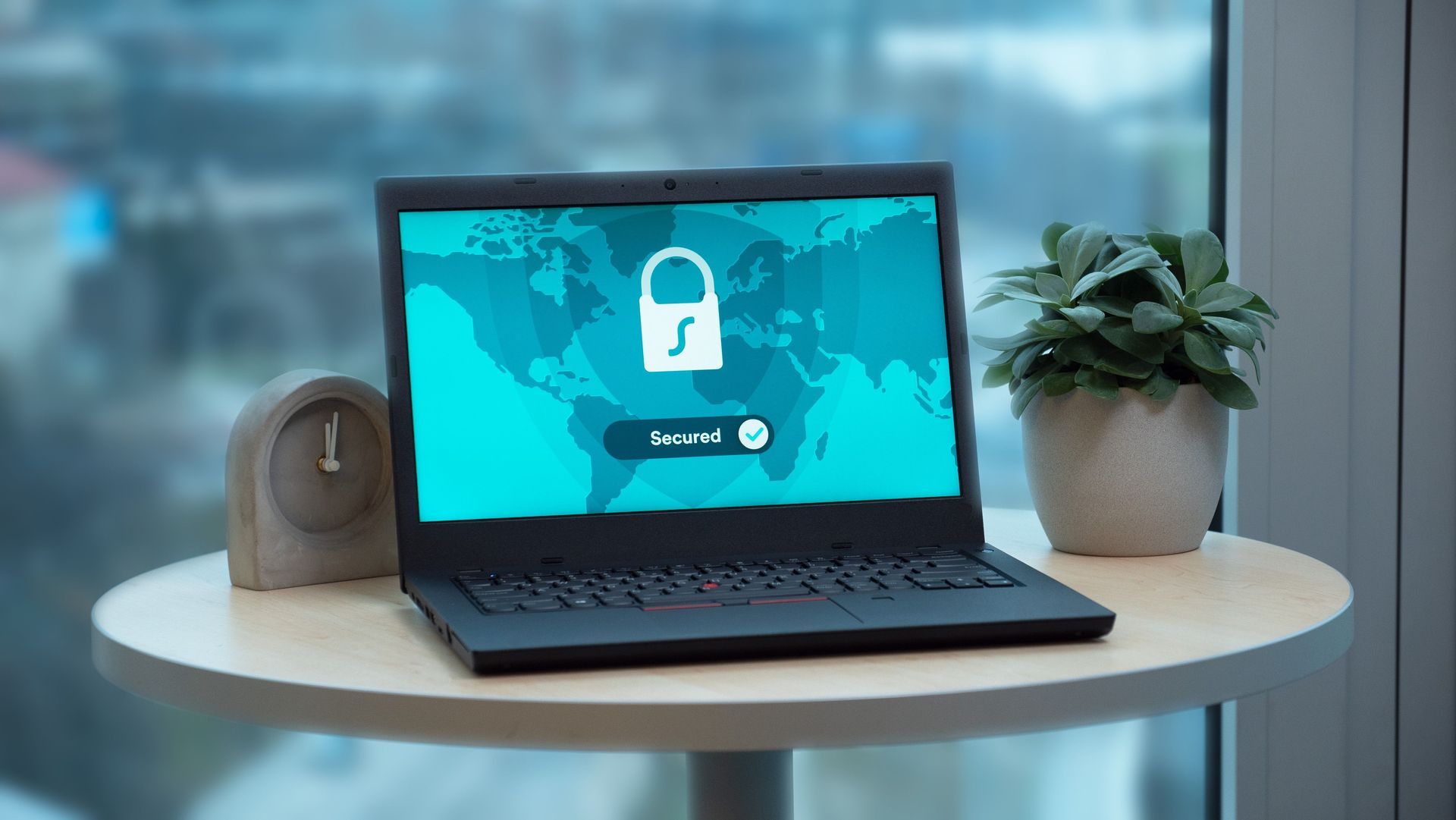
Salesforce breaches keep making 2026 headlines — driven by misconfigured orgs, not the platform. A practical lockdown checklist for mid-market B2B teams.

Salesforce Winter '27 sandbox previews open around August 29. Key dates, the enforcements to test first, and a four-week prep plan for mid-market teams.

The Summer '26 changes that actually affect your roadmap — security defaults that change how Apex behaves, Agentforce Builder going GA, and a retirement to plan for now.

Agentforce and Data Cloud are related, not inseparable. A practical way to work out what your use case actually needs — before you commit budget to either.

Twenty-five questions across data, security, knowledge, process, testing and ownership — worth answering honestly before you commit budget to an Agentforce build.